
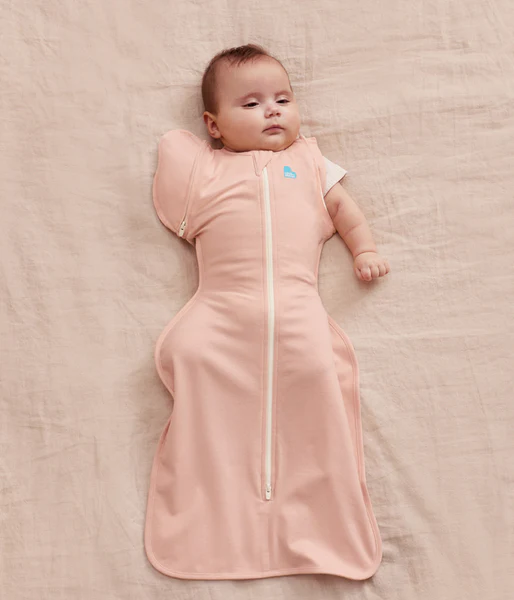
Why Every Parent Is Desperately Asking: How Do I Know If Baby Clothes Are Too Tight?
Babies grow at a breathtaking, almost magical speed. One week they are swimming in a newborn onesie; the next that same outfit is cruelly cutting into their precious little thighs. Because your helpless infant cannot verbally communicate their pain and discomfort, understanding how do I know if baby clothes are too tight — is one of the most vital and life-protecting skills any devoted parent can master.
Research from pediatric health organizations confirms that overly tight clothing can restrict circulation, cause heartbreaking skin irritation, interfere with critical hip development, and — most alarmingly — compress a baby’s chest in ways that silently impact breathing during sleep. The stakes are genuinely real, and your instincts as a caring parent matter enormously here.
Never dismiss redness, marks, or unusual fussiness connected to specific clothing. Your precious baby’s distress signals are always worth taking seriously — trust your loving instincts and act immediately and decisively.
7 Devastating Signs That Answer “How Do I Know If Baby Clothes Are Too Tight” — Act Now
So exactly how do you spot the heartbreaking signs? Watch for these powerful, unmistakable warning signals that demand your immediate, loving attention:
🔴
1. Cruel Red Marks or Indentations on Skin
If you undress your precious baby and notice red lines, grooves, or inflamed patches — especially around the waist, neck, wrists, or thighs — the garment is undeniably too tight. This is the most alarming and heartbreaking sign of all.
😢
2. Unexplained Fussiness or Desperate Crying
A baby who is suddenly inconsolable during or after dressing — and miraculously calms when clothes are loosened — is sending you a powerful distress signal. Never dismiss persistent fussiness connected to clothing.
🤸
3. Heartbreaking Restricted Movement
Healthy, thriving babies kick, stretch, and wriggle joyfully and constantly. If your precious little one seems unusually still or struggles to move their legs freely, the clothing is dangerously restricting their essential movement.
💨
4. Terrifying Visible Breathing Difficulty
Tight tops or bodysuits that compress the ribcage are a genuine, life-threatening safety emergency. If your baby appears to be working harder to breathe, remove the garment immediately and contact your pediatrician urgently.
👗
5. Snaps or Zippers Refuse to Close Flat
If you are forcing a snap closed or the zipper creates visible bunching and painful pulling, the garment has already cruelly outgrown your baby — even if the label deceptively says the right age range.
🌡️
6. Dangerous Overheating and Distressed Sweating
Tight clothing traps heat dangerously and mercilessly. A baby who is persistently sweaty, flushed, or hot to the touch while dressed may be silently suffering from clothes that are both too tight and dangerously warm.
🦵
7. Fabric Painfully Digging Into Delicate Skin
Gently run your finger under waistbands, necklines, and sleeve cuffs. You should always fit two fingers comfortably. If you cannot — if the fabric bites back — it is urgently and critically time to size up immediately.
The Life-Saving Two-Finger Test: The Simplest Answer to “How Do I Know If Baby Clothes Are Too Tight“
The most powerful, most reliable way to instantly answer this critical question is the universally trusted two-finger test. Lovingly slip two fingers under any waistband, neckline, sleeve, or leg opening. This simple act of care tells you everything your precious baby cannot say out loud:
| What You Feel | What It Means | Loving Action Needed |
|---|---|---|
| Two fingers slide in easily with room to spare | ✅ Perfect Fit | No action needed — celebrate! |
| Two fingers fit but feel noticeably snug | ⚠️ Getting Dangerously Tight | Monitor closely — size up very soon |
| Only one finger barely fits | 🚨 Too Tight — Act Now | Remove garment immediately |
| No fingers fit / elastic cruelly digs in | 🚨 Dangerously Tight | Discard or donate the item today |
Baby Clothing Size Guide — The Hidden Truth Devoted Parents Must Know
Still Wondering How Do I Know If Baby Clothes Are Too Tight? Never Trust the Label Blindly
One of the most surprising — and potentially dangerous — truths about baby clothing is that sizing is wildly and deceptively inconsistent across brands. A “3-month” onesie from one brand can fit entirely differently from another. Always use your baby’s weight and length as your true, trustworthy guide — not a misleading label.
| Label Size | Typical Weight | Typical Length | Devoted Parent Tip |
|---|---|---|---|
| Preemie (P) | Under 5 lbs | Under 17 in | Buy only as needed — preemies grow miraculously fast |
| Newborn (NB) | 5–8 lbs | Up to 21.5 in | Many precious babies skip this size entirely |
| 0–3 Months | 8–12 lbs | 21.5–24 in | Most cherished size — stock up here lovingly |
| 3–6 Months | 12–16 lbs | 24–26.5 in | Buy roomy — babies fill out at breathtaking speed |
| 6–9 Months | 16–20 lbs | 26.5–28.5 in | Leg length often matters more than weight here |
| 9–12 Months | 20–24 lbs | 28.5–30.5 in | Always check waist and thigh fit with loving care |
When in doubt, always choose to size up, never cruelly down. A slightly larger outfit is infinitely safer and more joyfully comfortable than a dangerously tight one. Your precious baby will grow into it remarkably quickly — usually within just a few weeks.
5 Vulnerable Body Areas That Reveal How Do I Know If Baby Clothes Are Too Tight
Focus your loving checks on these five heartbreakingly vulnerable areas where dangerous restriction causes the most severe and lasting harm to your precious baby:
1. The Neck & Collar — Your Baby’s Fragile Lifeline
A suffocatingly tight neckline makes dressing a genuinely traumatic ordeal and may restrict precious airflow. Always choose envelope necklines — the thoughtfully overlapping shoulder design — which allow safe, gentle, loving removal over your baby’s delicate head.
2. The Chest & Ribcage — Where Life Begins With Every Breath
This is arguably the most critical, life-protecting area. The ribcage must be completely free to expand with every single precious breath. Any top, bodysuit, or swaddle that compresses the chest is a serious, life-threatening safety concern demanding immediate removal.
3. The Waist & Abdomen — Where Silent Pain Hides
Tight waistbands cruelly restrict digestion, cause agonizing gas, and leave heartbreaking red marks on delicate skin. After every feed especially, a constricting waistband can genuinely cause your precious baby real pain — this is one of the most overlooked answers when parents ask how do I know if baby clothes are too tight.
4. The Hips & Thighs — Protecting Lifelong Development
Pediatric orthopedic experts urgently emphasize that hip-healthy clothing is absolutely non-negotiable in the critical first year. Tight leg openings can devastatingly contribute to developmental dysplasia of the hip (DDH). Always look for the Hip-Healthy label endorsed by the International Hip Dysplasia Institute.
5. Wrists & Ankles — Tiny and Tenderly Vulnerable
Elastic cuffs that cruelly cut into tiny, precious wrists and ankles restrict circulation and leave painful, heartbreaking marks. These should always slip on and off with absolute, effortless zero resistance.
Your Devoted Parent’s Lifesaving Checklist Before Every Single Outfit
✅ The Loving Parent’s Complete Tight Clothing Safety Checklist
- I can lovingly fit two fingers under all waistbands, cuffs, and necklines
- The neckline slips over my precious baby’s head without any forcing or stretching
- My baby can kick both legs freely and joyfully with full, unrestricted range of motion
- No snap or zipper is under painful tension — everything lies perfectly flat
- I have checked my baby’s delicate skin after 30 minutes of wear for any heartbreaking red marks
- The chest area expands freely and effortlessly with every visible, precious breath
- My baby is not unusually fussy, distressed, or still since being lovingly dressed
- I am using weight and length — never a deceptive age label — to select the right size
Frequently Asked Questions: How Do I Know If Baby Clothes Are Too Tight?
🔑 The Powerful Answer: How Do I Know If Baby Clothes Are Too Tight?
- Always use the loving two-finger test under every waistband and cuff
- Watch for red marks, fussiness, or heartbreaking restricted movement
- Trust weight and length — never a deceptive label age
- Check five critical body areas: neck, chest, waist, hips, and ankles
- When in doubt, always size up — your precious baby’s comfort is non-negotiable
- Check every two to three weeks in the critical first six months of life
The Heartfelt Bottom Line: Your Precious Baby Deserves to Feel Gloriously Free
Every devoted, loving parent deserves a clear, powerful, definitive answer to the question how do I know if baby clothes are too tight. That answer comes down to five life-protecting principles: watch for behavioral distress signals, feel for painful tension under fabric edges, look for heartbreaking red marks after wear, trust weight over deceptive label age, and always choose one size up when your loving heart is in doubt.
Your precious miracle deserves to feel gloriously free, blissfully comfortable, and perfectly safe in every single outfit every single day. No milestone photo — no matter how adorable — is worth a single moment of avoidable suffering for your irreplaceable little one. When you pay close, devoted, heartfelt attention to fit, you give your baby the magnificent foundation of physical wellbeing that supports everything — their peaceful sleep, their joyful development, and their radiant, thriving health.
You are an extraordinary, devoted, irreplaceable parent for asking this question with such love and care. Keep fiercely trusting your powerful instincts — they are your precious baby’s greatest, most life-saving protector.