
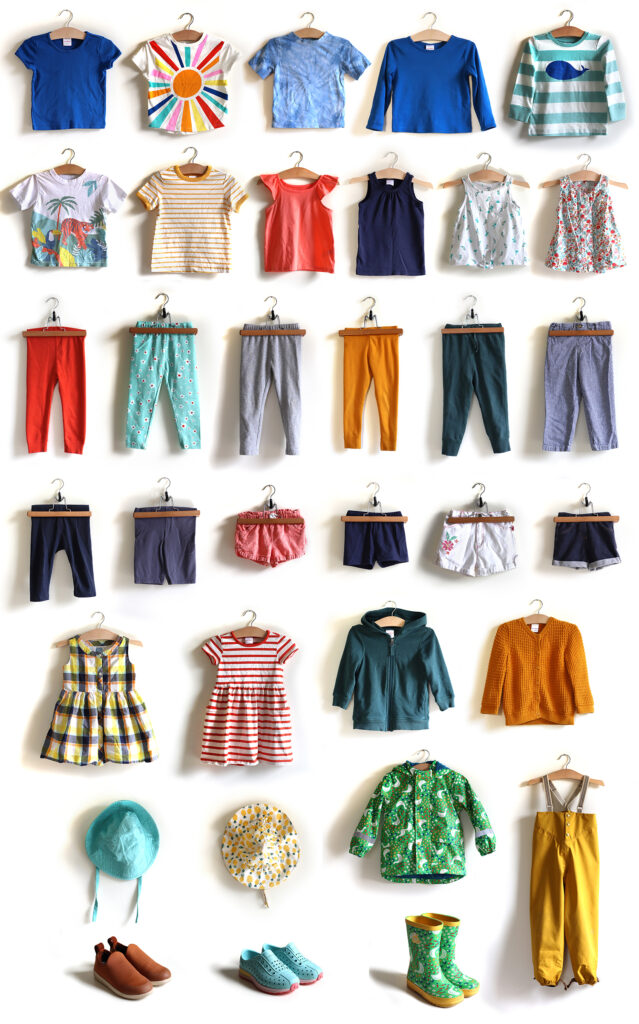
Back-to-school shopping can quickly become overwhelming. Children grow fast, their preferences change, and suddenly last year’s favourite outfits no longer fit or feel right. Instead of filling wardrobes with clothes that may only be worn once or twice, parents can take a more practical approach by creating a Kids Capsule Wardrobe.
A capsule wardrobe focuses on carefully selected pieces that work together, making it easier to create multiple outfits from fewer items. For growing children, this approach can save time, reduce unnecessary spending, and make busy school mornings much easier.
Whether you’re preparing for nursery, primary school, or the early years of secondary school, thoughtful wardrobe planning can help children feel comfortable and confident while keeping clothing practical for everyday life.
Why Build a Kids Capsule Wardrobe?
A Kids Capsule Wardrobe is a collection of versatile clothing pieces that can be mixed and matched to create different outfits. Rather than buying large quantities of clothing, parents choose essential items that coordinate well with one another.
This approach is particularly useful for children because they can outgrow clothing surprisingly quickly. Buying too many pieces at the beginning of the school year can be frustrating when several items become too small just a few months later.
A capsule wardrobe can help parents:
- Reduce unnecessary clothing purchases
- Make school mornings easier
- Keep outfits organised
- Encourage children to choose their own clothes
- Make better use of existing clothing
- Reduce wardrobe clutter
- Build a practical seasonal collection
The goal isn’t to limit a child’s personality. Instead, it is about creating a flexible foundation that allows favourite colours, prints, accessories, and statement pieces to stand out.
Start by Checking What Your Child Already Owns
Before going shopping, look through your child’s current wardrobe. This is one of the most important steps in creating a Kids Capsule Wardrobe because you may already have many of the pieces you need.
Separate clothing into a few categories:
- Items that fit and are regularly worn
- Items that fit but are rarely worn
- Items that are too small
- Items that are damaged or uncomfortable
- Seasonal items
- School-specific clothing
Ask your child which clothes they genuinely enjoy wearing. A wardrobe may look complete on paper, but if your child refuses to wear certain colours, fabrics, or styles, those pieces aren’t particularly useful.
Check basics such as trousers, leggings, tops, jumpers, cardigans, coats, dresses, skirts, socks, and shoes. Once you know what is missing, you can create a much more focused shopping list.
Choose Versatile Everyday Basics
The foundation of a Kids Capsule Wardrobe should be comfortable basics that can be worn in several combinations.
For school and everyday activities, consider:
- Plain T-shirts
- Long-sleeve tops
- Comfortable trousers
- Leggings
- Jeans
- Joggers
- Skirts
- Dresses
- Cardigans
- Sweatshirts
- Lightweight jumpers
Choose colours that coordinate naturally. You don’t have to restrict your child to neutral colours, but having a few easy-to-match shades can make outfit planning much simpler.
For example, navy, grey, cream, black, denim, and soft pastel shades can work with many different colours and patterns.
The advantage is simple: one top can work with several bottoms, while a cardigan can be paired with dresses, skirts, trousers, or jeans.
Think About Comfort First
Children spend a large part of their day moving, learning, playing, and exploring. Clothing that looks fantastic but feels uncomfortable may end up sitting untouched in the wardrobe.
When building a Kids Capsule Wardrobe, prioritise comfortable fabrics and practical designs.
Look for clothing that allows children to move freely. Soft cotton, breathable fabrics, flexible waistbands, and easy fastenings can be particularly useful for younger children.
For school, consider whether your child can manage the clothing independently. Complicated buttons, difficult zips, and uncomfortable waistbands can turn getting dressed into a stressful experience.
Comfort should never be treated as an afterthought. When children feel comfortable in their clothes, they can focus more easily on school, play, and everyday activities.
Build Around the School Routine
A successful wardrobe should reflect your child’s actual lifestyle.
If your child walks to school, they may need practical outerwear and comfortable shoes. If they participate in sports, you’ll need suitable activewear. If they attend after-school clubs, versatile clothing becomes even more useful.
Think about a typical school week and identify the clothing your child needs most frequently.
For example, a school-week wardrobe might include:
- Five to seven everyday tops
- Three to four pairs of trousers or leggings
- Two or three jumpers
- One or two cardigans
- One weather-appropriate coat
- Several pairs of socks
- Comfortable everyday shoes
- Sportswear
- A few weekend or special-occasion outfits
The exact number will depend on how frequently you do laundry and what your child’s school requires.
Add Layers for Changing Weather
Children’s wardrobes need to cope with unpredictable weather, particularly during the transition from summer to autumn.
Layering is an excellent strategy because children can add or remove clothing as temperatures change.
A practical layering system could include a T-shirt or long-sleeve top underneath a cardigan, sweatshirt, or lightweight jumper. A waterproof or warm coat can then be added when necessary.
This makes the wardrobe more flexible without requiring dozens of separate outfits.
For colder months, consider adding warm knitwear, thermal layers where appropriate, thicker socks, and weather-appropriate outerwear.
For warmer days, lightweight tops and breathable fabrics can help children remain comfortable.
Don’t Forget Shoes
Shoes deserve special attention when planning a Kids Capsule Wardrobe. Children can outgrow footwear quickly, and poorly fitting shoes can make everyday activities uncomfortable.
Instead of buying numerous pairs, focus on the types of footwear your child actually needs.
Depending on school requirements and activities, this might include:
- Everyday school shoes
- Trainers
- Boots
- PE shoes
- Sandals for warmer weather
- Smart shoes for special occasions
Always prioritise proper fit and comfort. It’s also worth checking footwear periodically because children’s feet continue to grow.
Include Clothes That Show Personality
A capsule wardrobe doesn’t need to be boring.
Children should have opportunities to express their personalities through their clothes. Allow them to choose a few statement pieces that reflect their favourite colours, characters, patterns, or styles.
These might include a colourful sweatshirt, patterned dress, graphic T-shirt, fun accessories, or a favourite pair of trainers.
The key is balance. Keep the core wardrobe versatile, then use statement pieces to add personality.
This can also encourage children to become more involved in choosing outfits and developing their own sense of style.
Buy for Growth, But Don’t Overbuy
Growing children create a difficult shopping dilemma. Parents want clothes to last, but buying clothing several sizes too large can make it uncomfortable or impractical.
When creating a Kids Capsule Wardrobe, choose sizes carefully.
Some garments, such as adjustable-waist trousers, oversized sweatshirts, and flexible cardigans, may provide a little more growing room. However, avoid purchasing too many items simply because they might fit eventually.
Children need clothes that fit comfortably now.
A better strategy is to buy a sensible amount at the beginning of the school year and review the wardrobe throughout the season.
Create a Colour Palette
A simple colour palette can make outfit planning much easier.
Choose two or three core colours and a few complementary shades. For example, navy and grey could form the foundation, while burgundy, cream, green, or pink could add variety.
This doesn’t mean every piece needs to match perfectly. Instead, the aim is to make most items compatible with several others.
A coordinated colour palette can also help children make their own outfit choices.
Instead of asking, “What should I wear?”, they can select one top, one bottom, and one additional layer from a collection where most combinations work.
Make School Mornings Easier
One of the biggest benefits of a Kids Capsule Wardrobe is the potential to simplify busy mornings.
If clothing is organised logically, children can become more independent.
Consider arranging clothes by category or creating ready-to-wear combinations. Younger children may benefit from having a few complete outfits prepared in advance.
You can also encourage children to choose their outfit the night before. This can reduce morning arguments and help everyone get out of the house on time.
A simple wardrobe system can turn getting dressed from a daily struggle into a manageable routine.
Avoid the Trap of Buying Too Much
Back-to-school promotions can make it tempting to buy more than your child actually needs.
Discounts can be useful, but a cheap item isn’t necessarily good value if it remains unworn.
Before purchasing anything, ask:
- Does my child need this?
- Does it fit their existing wardrobe?
- Will they actually wear it?
- Is it comfortable?
- Can it be worn in more than one outfit?
- Is the quality appropriate?
- Does the child like it?
If the answer to several questions is no, it may be better to leave the item behind.
Overbuying can create unnecessary expense and wardrobe clutter, while carefully selected pieces are more likely to become everyday favourites.
Make Wardrobe Reviews a Regular Habit
A Kids Capsule Wardrobe shouldn’t be considered a one-time project. Children’s sizes, activities, preferences, and seasons change regularly.
Set aside time every few months to review the wardrobe.
Check whether:
- Clothing still fits
- Shoes are still comfortable
- Seasonal pieces are needed
- Certain items are never being worn
- Damaged clothing needs replacing
- New activities require specialist clothing
Regular reviews allow you to make smaller purchases instead of facing a huge wardrobe replacement every season.
Teach Children About Clothing Choices
Building a capsule wardrobe can also become a learning opportunity.
Older children can help organise their wardrobes, plan outfits, and understand why buying fewer but more useful pieces can be beneficial.
You can teach them how to care for clothing, put items away properly, identify clothing that no longer fits, and make thoughtful shopping choices.
This encourages independence and helps children understand that clothing is something to value rather than something disposable.
A Positive Approach to Sustainable Wardrobe Planning
Creating a Kids Capsule Wardrobe can also support a more thoughtful approach to children’s fashion.
Children’s clothing can have a short lifespan because they grow quickly. Choosing versatile pieces and making full use of the clothes they already own can reduce unnecessary purchases.
Passing suitable clothing to younger siblings, friends, or family members can also extend the useful life of garments.
When clothing is no longer wearable, parents can explore appropriate recycling or reuse options rather than automatically throwing everything away.
Small choices can make a meaningful difference over time.
What to Do When the Wardrobe Feels Overwhelming
Sometimes the hardest part isn’t buying clothes—it’s dealing with everything already in the wardrobe.
If the wardrobe is overflowing, don’t try to organise everything in one afternoon.
Start with one category, such as tops. Remove items that are too small, damaged, uncomfortable, or consistently ignored. Then move to trousers, dresses, jumpers, and other categories.
Keep the process simple and involve your child where appropriate.
The result should be a wardrobe where everyday favourites are easy to find rather than buried underneath clothing that rarely gets worn.
Final Thoughts
Creating a Kids Capsule Wardrobe is not about making children’s clothing restrictive or removing fun from fashion. It’s about choosing practical, comfortable, versatile pieces that fit into everyday family life.
For back-to-school preparation, start by checking what your child already owns. Identify gaps, choose versatile basics, prioritise comfort, plan for changing weather, and add a few personality-filled pieces.
Remember that children grow quickly, so there is no need to purchase an entire year’s wardrobe in one shopping trip. Review clothing regularly and replace items when they are genuinely needed.
With a little planning, parents can create a wardrobe that makes school mornings easier, reduces clutter, controls unnecessary spending, and helps children feel confident in what they wear.
The most effective wardrobe isn’t necessarily the biggest one. It is the one where everyday clothing works hard, outfits are easy to create, and children feel comfortable being themselves.